
Sorry, nothing in cart.
Winter Skin Care: How to Prevent Dry and Itchy Skin
Why Does Skin Get Dry and Itchy in Winter?
If your skin feels tight, flaky or itchy as soon as the temperature drops, you are not imagining it. Cold air holds far less moisture than warm air, and indoor heating dries the air even further. Your skin has a natural protective barrier made of lipids (fats) such as ceramides and cholesterol that locks water in and keeps irritants out. In winter, low humidity pulls moisture from the skin’s surface faster than your body can replace it, and the barrier starts to weaken.
The result is the familiar winter skin picture: rough patches, dullness, fine cracks, redness and an itch that seems to get worse at night. For people with sensitive skin or conditions such as eczema, psoriasis or rosacea, winter can trigger painful flare-ups. The good news is that most seasonal dryness can be prevented with a few consistent habits. This guide explains what works, which ingredients to look for and when it is time to see a doctor. For a broader foundation, you can also read our daily skin care routine for healthy skin.
Common Signs of Winter Skin Problems
Recognizing early warning signs lets you act before dryness turns into irritation. Watch out for the following:
- Skin that feels tight right after washing or showering
- Flaking, rough texture or a dull, ashy appearance, especially on the shins, arms and hands
- Persistent itching, particularly in the evening
- Cracked heels, knuckles and fingertips
- Chapped lips and red, sore patches around the nose
- Red, scaly patches that may signal eczema or another skin condition
Mild dryness usually improves with better moisturizing. Deep cracks, bleeding or weeping skin, on the other hand, can let bacteria in and should not be ignored.
Adjust Your Bathing Habits
Many people unknowingly damage their skin barrier in the shower. Long, hot showers feel wonderful in winter, but hot water strips away the natural oils your skin needs. Dermatologists generally recommend lukewarm water and limiting showers or baths to about five to ten minutes.
Choose a gentle, fragrance-free cleanser or a soap-free body wash instead of harsh bar soaps, which can disturb the skin’s natural pH. Use cleanser only where it is needed, such as underarms, groin and feet, and let plain water rinse the rest of the body. After bathing, pat your skin gently with a soft towel rather than rubbing, and leave it slightly damp. This leads straight to the most important step in the whole routine: moisturizing.
Moisturize Smartly: Ingredients That Matter
Moisturizers work in three ways, and the best products combine all of them. Humectants such as glycerin, hyaluronic acid and urea attract water into the skin. Emollients such as ceramides, fatty acids and shea butter smooth and soften rough skin. Occlusives such as petrolatum, dimethicone and lanolin form a seal that prevents water from escaping.
In winter, lightweight lotions are often not enough. Switch to a thicker cream or ointment, ideally within three minutes of leaving the shower while skin is still damp. Apply it again at night and whenever your hands feel dry. If you are looking for a gentle everyday option, you can browse the Aquasoft Cream product page to see details and available pack sizes. Always choose fragrance-free, dye-free products if your skin is sensitive, and patch-test any new product on a small area first.
Do Not Skip Sunscreen and Eye Care
A surprising number of people stop using sunscreen when the weather turns cold, but UVA rays, which contribute to ageing and pigmentation, are present all year round. Snow reflects up to 80 percent of UV radiation, so winter sports and bright cold days can be just as damaging as a summer afternoon. Use a broad-spectrum sunscreen of SPF 30 or higher on exposed areas every morning, and reapply if you spend long periods outdoors.
The delicate skin around the eyes is also prone to dryness and fine lines in cold weather. A rich but gentle eye product can help, and you can see one option on the Avarta Under Eye Cream page. If you want to understand how to organize day and night products properly, our comparison of morning vs night skin care routine explains which steps belong where.
Protect Hands, Feet and Lips
Hands have fewer oil glands than the rest of the body and are exposed to cold air, frequent washing and sanitizers, so they often crack first. Carry a hand cream and apply it after every wash. At night, apply a thick layer and wear cotton gloves to boost absorption. Wear gloves outdoors and rubber gloves when washing dishes or cleaning.
For feet, soak briefly in lukewarm water, gently remove rough skin and apply a heavy cream or ointment before putting on cotton socks. Lips do not have oil glands at all, so use a fragrance-free balm with petrolatum or ceramides, and avoid licking your lips, which makes chapping worse. People with diabetes should be especially careful with foot dryness and cracks and check their feet daily. Our article on how to control blood sugar naturally explains why stable glucose levels also help protect skin health.
Hydration, Humidity and Diet
Drinking water supports overall health, but it is not a substitute for moisturizer; skin dryness in winter is mainly about moisture loss from the surface. That said, staying well hydrated and eating a balanced diet helps. Foods rich in omega-3 fatty acids, such as fish, walnuts and flaxseed, along with vitamin E sources such as nuts and seeds, support the skin barrier from within. Fruits and vegetables supply antioxidants that protect against inflammation.
A humidifier is one of the most effective tools for winter skin. Aim for indoor humidity between 30 and 50 percent, and clean the device regularly to prevent mold. Avoid placing your bed or chair directly in front of a heater, and keep the room temperature comfortable rather than very hot. Quality sleep also helps skin repair itself overnight, so see our tips on how to improve your sleep naturally.
When Dry Skin Needs Medical Attention
Sometimes dryness is a sign of something more than cold weather. Persistent dry, itchy skin can be linked to eczema, psoriasis, fungal infection, allergies or an underlying medical condition such as an underactive thyroid. You can learn about the connection in our guide to hypothyroidism symptoms and management.
See a doctor or dermatologist if you notice any of these:
- Itching that keeps you awake or does not improve after two weeks of regular moisturizing
- Open sores, bleeding cracks, oozing or crusting that may indicate infection
- Widespread red, inflamed or scaly patches
- Sudden skin changes along with fatigue, weight change or other symptoms
A medical professional can recommend suitable treatment, which may include prescription creams for inflamed skin. Avoid using strong medicated creams on your own for long periods, as incorrect use can thin the skin or cause side effects.
Quick Winter Skin Care Checklist
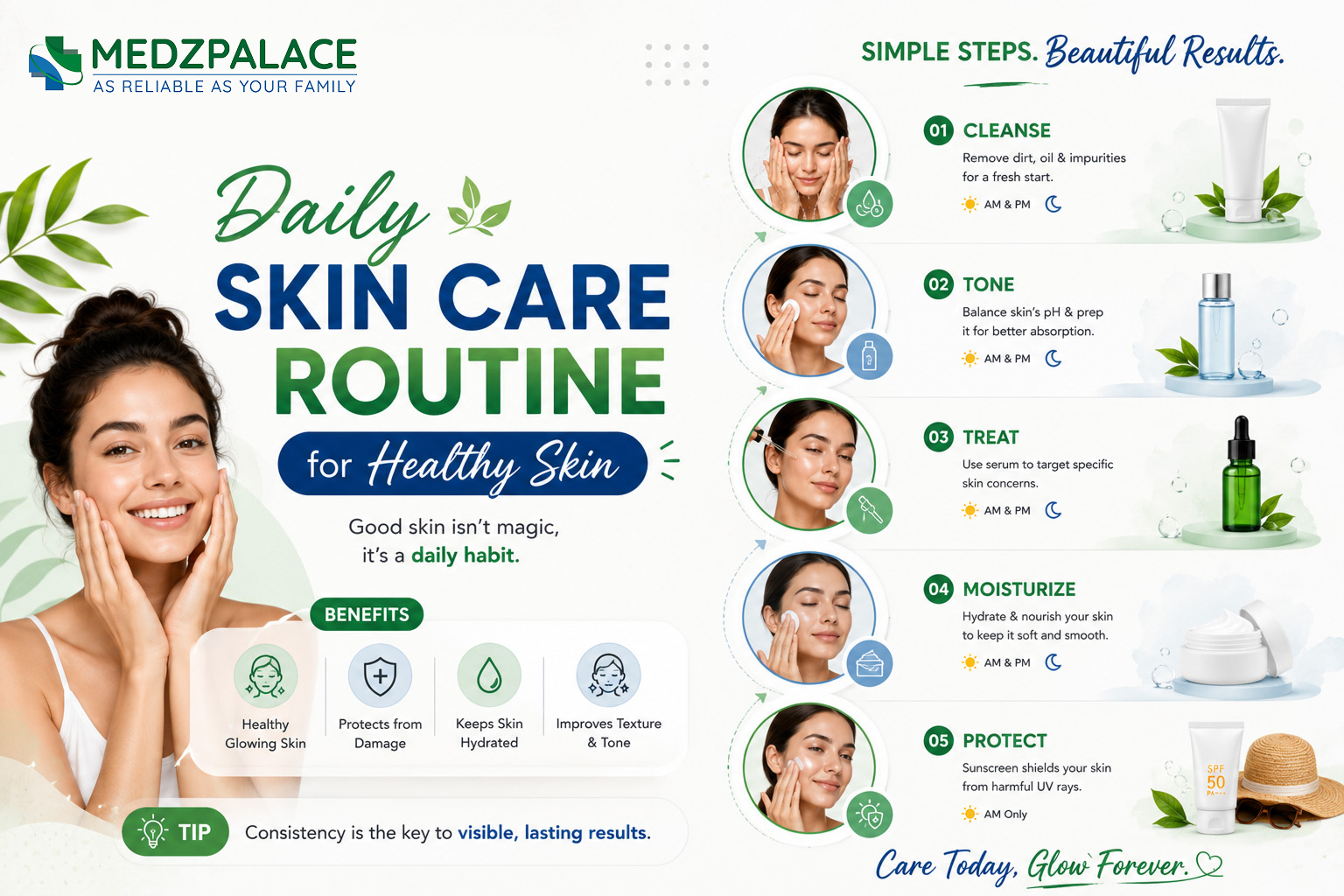
To make things simple, here is a daily routine you can follow. In the morning, cleanse gently with lukewarm water, apply a hydrating serum if you like, follow with a rich moisturizer and finish with sunscreen. During the day, reapply hand cream and lip balm as needed. In the evening, remove dirt and sunscreen with a gentle cleanser, apply moisturizer or ointment to the face and body, and use a humidifier in the bedroom. Once or twice a week, exfoliate very gently if your skin tolerates it, but skip scrubs completely when skin is cracked or irritated.
Final Thoughts
Healthy winter skin is built on gentle habits: shorter lukewarm showers, thick moisturizer applied to damp skin, daily sunscreen, humidified air and prompt attention to anything that looks infected or inflamed. Small changes done consistently make a big difference, and most people notice softer, calmer skin within a couple of weeks. For more guidance, explore the skin care section of our blog, and see the American Academy of Dermatology for additional tips. This article is for general information only and is not a substitute for personal medical advice.