
Sorry, nothing in cart.
Adult Acne: Causes, Treatment Options and Prevention Tips
What Is Adult Acne?
Many people expect pimples to disappear with the teenage years, so it can be surprising and frustrating when breakouts continue in your twenties, thirties, forties or even later. Adult acne is common, particularly among women, and it can have a real effect on confidence and mood. It is defined as acne that persists from adolescence or appears for the first time after the age of 25.
Unlike teenage acne, which often affects the forehead, nose and chin (the T-zone), adult acne tends to appear around the lower face, jawline, chin and neck. The spots may be deeper, more tender and slower to heal, and they often leave dark marks behind. The good news is that effective treatments exist. In this guide, we explain why adult acne happens, which treatments work and how to build habits that keep your skin clear. If you are still building the basics, our daily skin care routine for healthy skin is a helpful starting point.
How Acne Forms
Acne develops when four processes come together in the hair follicle. First, oil glands produce too much sebum. Second, dead skin cells do not shed properly and mix with the oil to clog the pore. Third, a normal skin bacterium called Cutibacterium acnes multiplies in the blocked follicle. Fourth, the body responds with inflammation, producing red, swollen and sometimes painful lesions.
Different lesions show how far the process has gone. Blackheads and whiteheads (comedones) are non-inflamed clogged pores. Papules are small red bumps, and pustules are bumps filled with pus. Nodules and cysts are deep, painful lumps that carry the highest risk of scarring and need professional treatment.
Main Causes and Triggers of Adult Acne
Adult acne is rarely caused by one thing alone. The most common contributors include:
- Hormonal changes: androgen hormones stimulate oil glands. Flare-ups often occur around periods, pregnancy, menopause, or when starting or stopping hormonal contraception. Polycystic ovary syndrome (PCOS) is a frequent underlying cause in women.
- Stress: emotional stress raises cortisol, which can increase oil production and slow skin healing.
- Genetics: if your parents had acne, you are more likely to experience it.
- Skin and hair products: heavy, oil-based cosmetics, sunscreens, hair pomades and some moisturizers can clog pores. Look for labels such as “non-comedogenic.”
- Diet: some studies link high-glycemic foods (white bread, sugary drinks, sweets) and, in some people, dairy to worse acne, though the evidence is not consistent for everyone.
- Medicines: corticosteroids, certain anti-epileptics, lithium and some hormonal treatments can trigger acne.
- Friction and habits: picking spots, leaning on your hands, tight helmets, masks and dirty phone screens.
- Lack of sleep: poor sleep affects hormones and inflammation.
Because sleep and stress play such a large role, you may also find our tips on how to improve your sleep naturally useful.
Build a Gentle, Consistent Skin Care Routine
The most common mistake in acne care is being too aggressive. Over-scrubbing, using harsh cleansers or layering many active products can damage the skin barrier, increase irritation and even make breakouts worse. A simple, gentle routine works better:
- Cleanse twice a day with a mild, non-drying cleanser and lukewarm water.
- Treat with your chosen active ingredient (see below), applied in a thin layer to the whole affected area, not just individual spots.
- Moisturize with a light, oil-free or non-comedogenic moisturizer, even if your skin feels oily.
- Protect with a broad-spectrum SPF 30 or higher every morning, since many acne treatments increase sun sensitivity and sun exposure darkens acne marks.
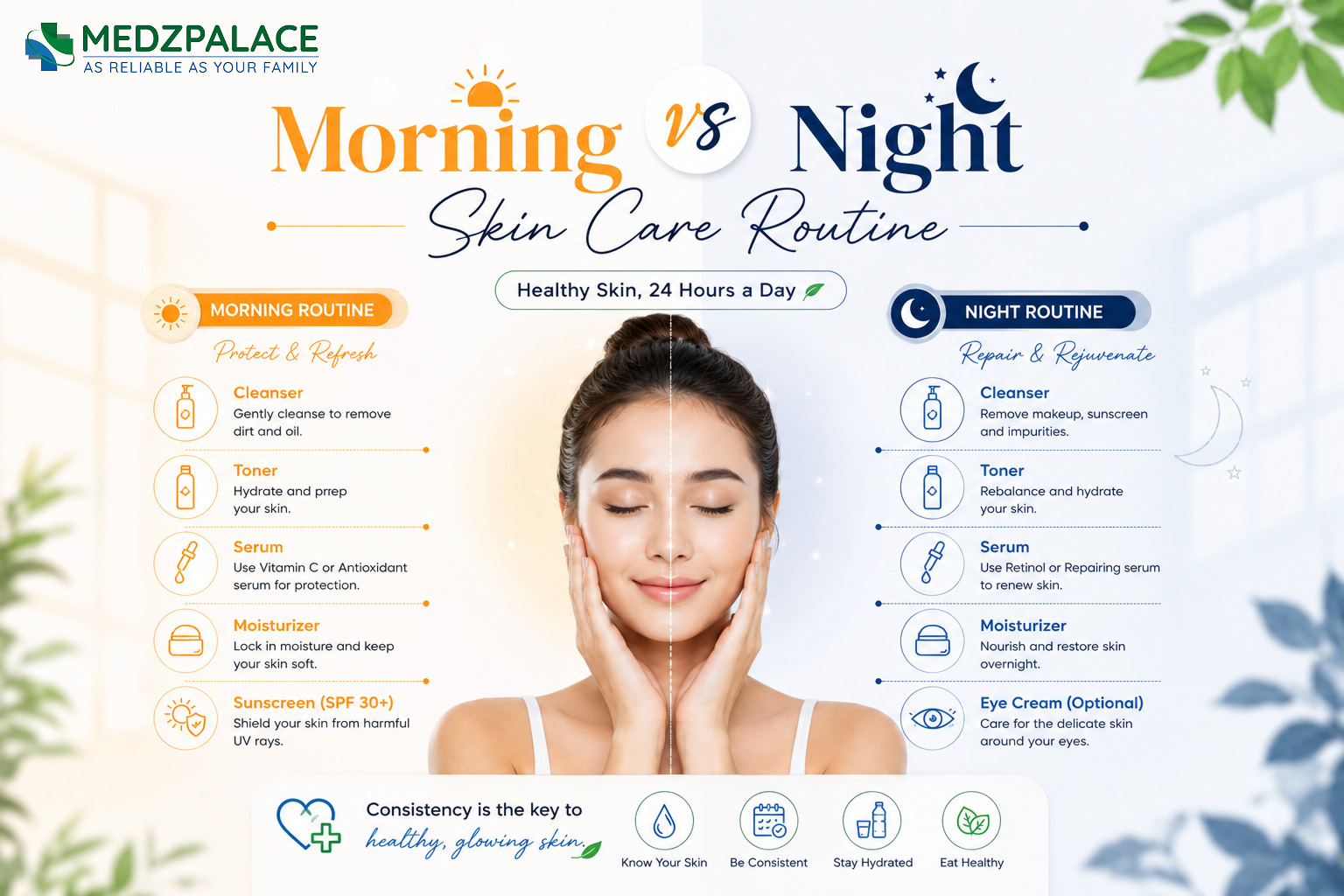
Our comparison of the morning vs night skin care routine shows how to organize these steps across the day. Give any new routine at least six to eight weeks before judging it, because acne products work gradually and may cause mild dryness at first.
Over-the-Counter Ingredients That Help
Several non-prescription ingredients have good evidence for mild to moderate acne:
- Benzoyl peroxide (2.5% to 5%): kills acne-causing bacteria and reduces inflammation. It can bleach fabrics and cause dryness, so start with a low strength.
- Salicylic acid (0.5% to 2%): a beta hydroxy acid that unclogs pores and helps with blackheads and whiteheads.
- Adapalene: a retinoid available without a prescription in some countries, which normalizes skin cell turnover and prevents new clogged pores.
- Azelaic acid: helps reduce inflammation and fade post-acne marks, and is often well tolerated by sensitive skin.
Introduce only one new active at a time and apply it every second or third night at first to see how your skin reacts. If irritation develops, reduce frequency or pause and speak to a professional.
Prescription Treatments for Persistent Acne
If over-the-counter products do not help after two months, or your acne is moderate to severe, a dermatologist or doctor can recommend stronger options. These may include:
- Topical retinoids such as tretinoin, which unclog pores and improve texture and marks. You can see an example on the A Ret Gel 0.025% product page. Retinoids can cause dryness, peeling and sun sensitivity and are not suitable during pregnancy.
- Topical antibiotics and combination gels that reduce bacteria and inflammation. They are normally combined with benzoyl peroxide to lower the risk of antibiotic resistance. Examples of acne topicals you can browse include Acnesol Gel and Acnelak-CLZ Cream; ask your doctor which ingredient and strength suit your skin.
- Oral antibiotics for moderate to severe inflammatory acne, prescribed for a limited period, ideally together with a topical treatment. To understand why correct use matters, see our guide on how to use antibiotics safely.
- Hormonal therapy for some women, such as combined oral contraceptives or spironolactone, when acne is linked to hormones.
- Oral isotretinoin for severe, scarring or treatment-resistant acne. It is highly effective but must be strictly supervised, with blood tests and reliable pregnancy prevention, because it can cause serious birth defects.
Never combine several strong prescription or active products without guidance, and do not use leftover medicines from another person.
Lifestyle, Diet and Stress Management
Lifestyle will not replace treatment, but it can make treatment work better. Try to choose low-glycemic carbohydrates such as whole grains, legumes and vegetables, and limit sugary drinks and snacks. Learn how stable blood sugar benefits the whole body in our article on how to control blood sugar naturally. Some people notice improvement after reducing milk intake, but this is individual, so experiment carefully and keep a short diary.
Regular exercise, mindfulness, adequate sleep and time outdoors help manage stress hormones. Wash your face after sweating, change pillowcases and wipe your phone regularly. Most importantly, resist the urge to squeeze or pick spots, which pushes inflammation deeper and increases the risk of scars and dark marks. For more daily habits, see top lifestyle changes for better health.
Treating Acne Marks and Scars
Even after pimples clear, many people are left with flat dark or red marks called post-inflammatory hyperpigmentation or erythema. These usually fade over months, faster with daily sunscreen and ingredients such as azelaic acid, niacinamide, vitamin C or retinoids. For deeper pitted or raised scars, dermatologists can offer procedures such as chemical peels, microneedling, laser therapy and fillers. The best way to prevent scars is to treat inflammatory acne early and avoid picking.
When to See a Doctor
Make an appointment if your acne is painful or deep, leaves scars, does not improve after six to eight weeks of consistent over-the-counter care, or is affecting your mental health. Women who also have irregular periods, excess facial or body hair or hair loss should ask about hormonal conditions such as PCOS. Sudden severe acne in adulthood without an obvious cause should also be checked.
Final Thoughts
Adult acne is common, treatable and not a sign of poor hygiene. A gentle routine, patient use of proven ingredients, sun protection and healthy habits go a long way, and professional treatment is available when they are not enough. Be consistent, avoid harsh scrubbing and give treatments time to work.
For further reading, browse the skin care section of our blog and visit the American Academy of Dermatology acne resource. This article is for general information only and should not replace advice from a qualified healthcare professional.